

By Sana Thagia and Oksana Paluszkiewicz
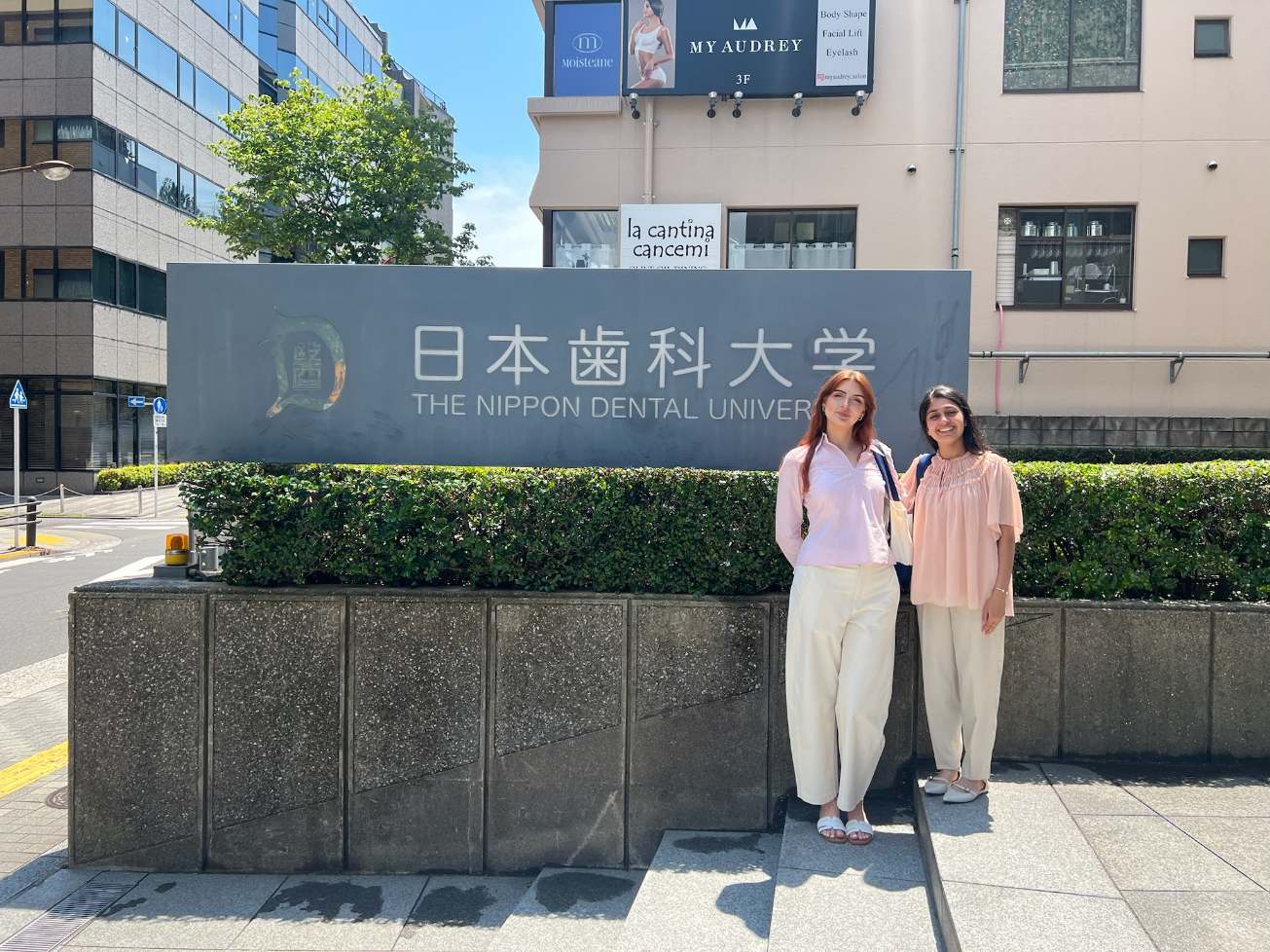
In July 2025 we were given the amazing opportunity to take part in an exchange programme with the Nippon Dental University (NDU) School of Life Dentistry, in Japan. After having spent a fantastic 2 weeks hosting our international guests in Manchester it was now our turn to immerse ourselves in some Japanese culture, food and dentistry.
The first part of the trip was NDU Tokyo. We started our journey at Manchester airport, finally landing in Tokyo after 24 hours of travelling where we were greeted by our exchange peers Ikumi, Arisa and Prof. Kageyama who worked very hard to organise the programme in Japan for us!
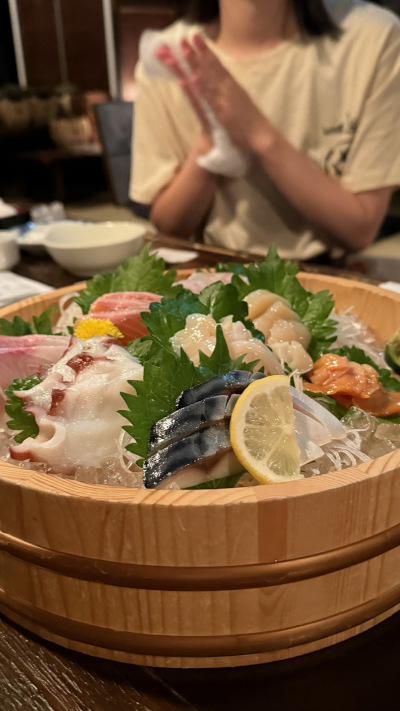
We checked into our hotel and went straight to bed, ready to wake up bright and early the next day to explore the city. Since we had a free day, we met up with our new friends and visited a local flea market before trying some delicious wagyu beef burgers for lunch! We spent the evening shopping and sightseeing in Ginza and caught our first dazzling sunset in Tokyo.
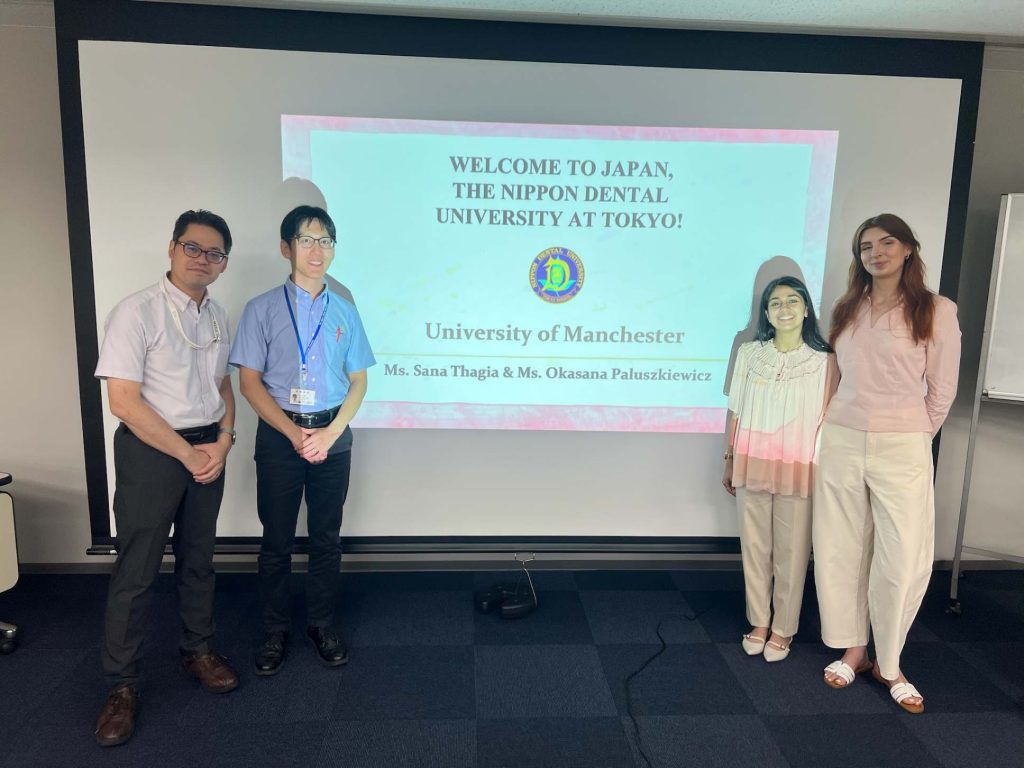
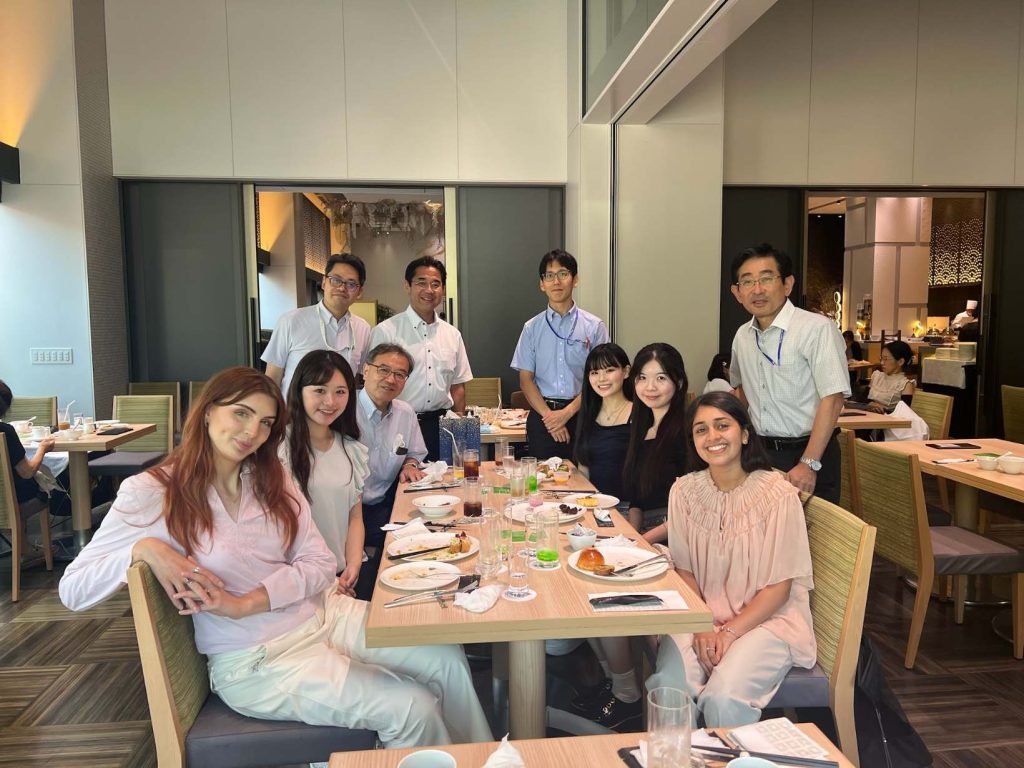
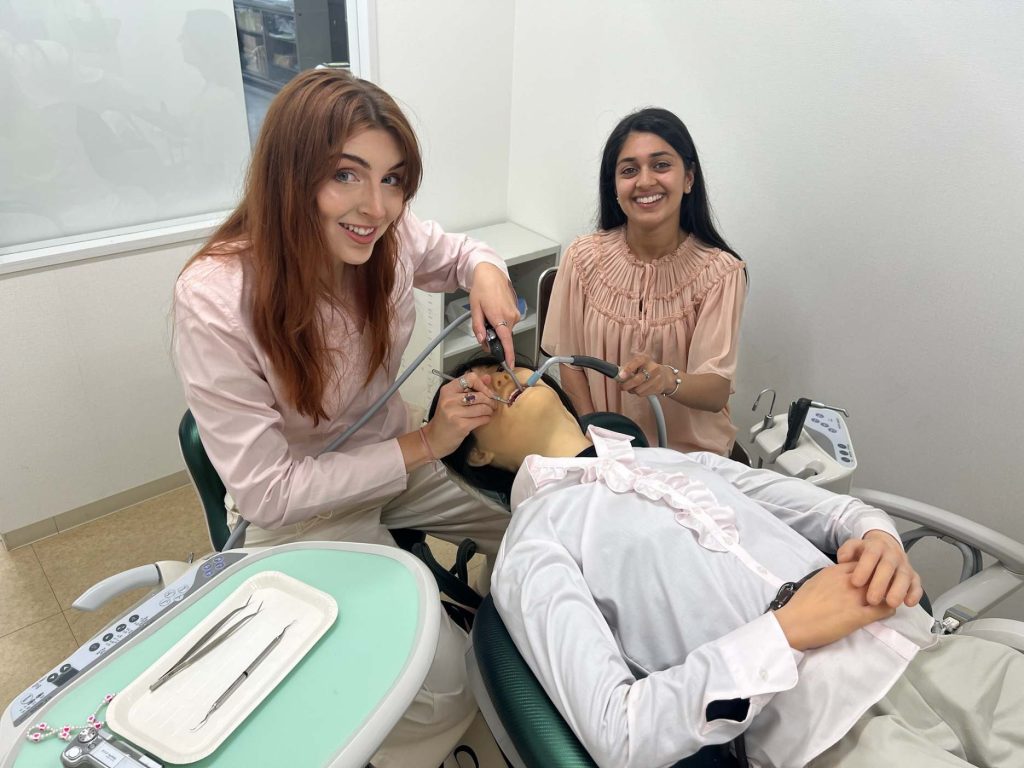
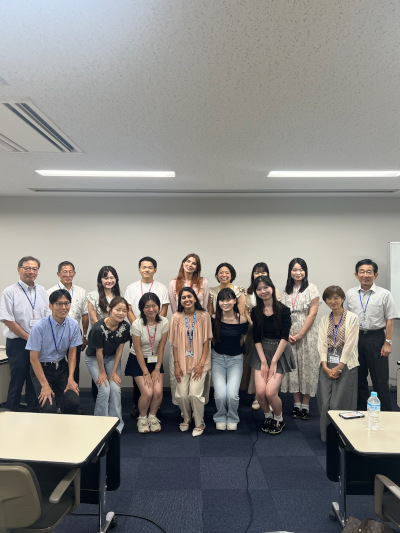
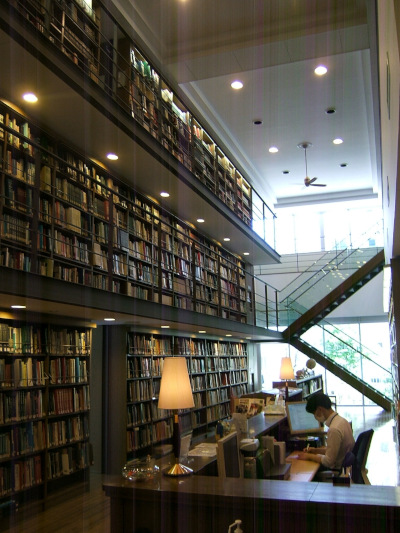
Monday included an introduction to NDU Tokyo and a tour of their fantastic dental school, simulation suite and expansive library and archive. The simulation lab had a robotic patient for students to practice on that was programmed with phrases and responses and the lab itself was a huge, impressive, modern facility. We met the student committee for a buffet lunch at the hotel and returned to the school to deliver a presentation about dentistry in the UK, the NHS and our own experiences of dental school.
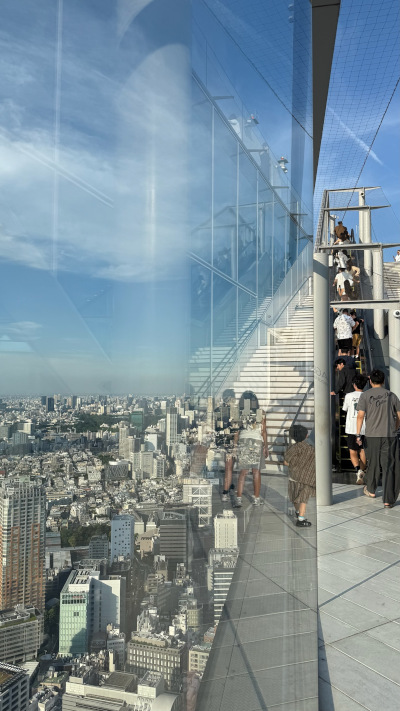
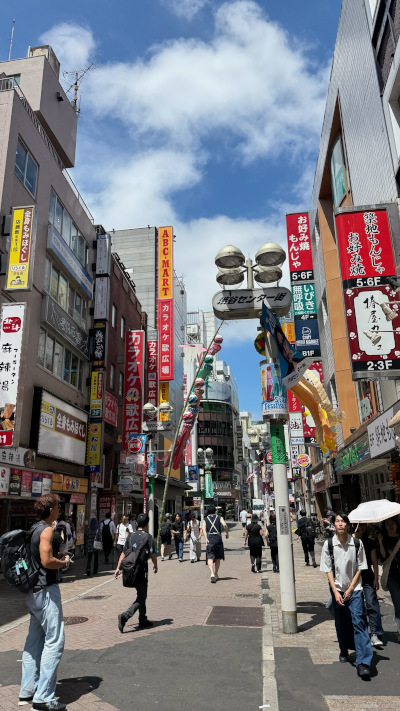
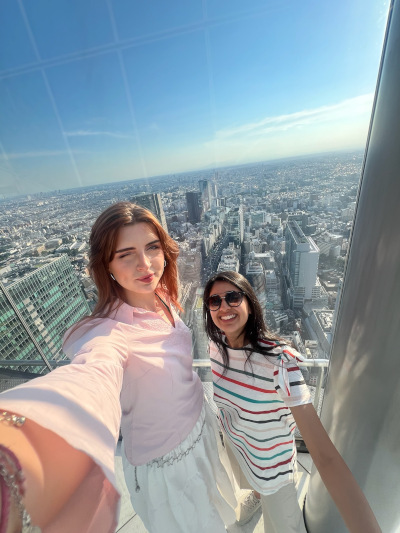
We were lucky enough to get some tickets for Shibuya Sky that evening and enjoyed the magnificent sunset views. The city seemed to go on for miles in every direction; the scale of Tokyo was just staggering. We concluded the evening with some amazing fresh sushi in Harajuku and turned in for the night.
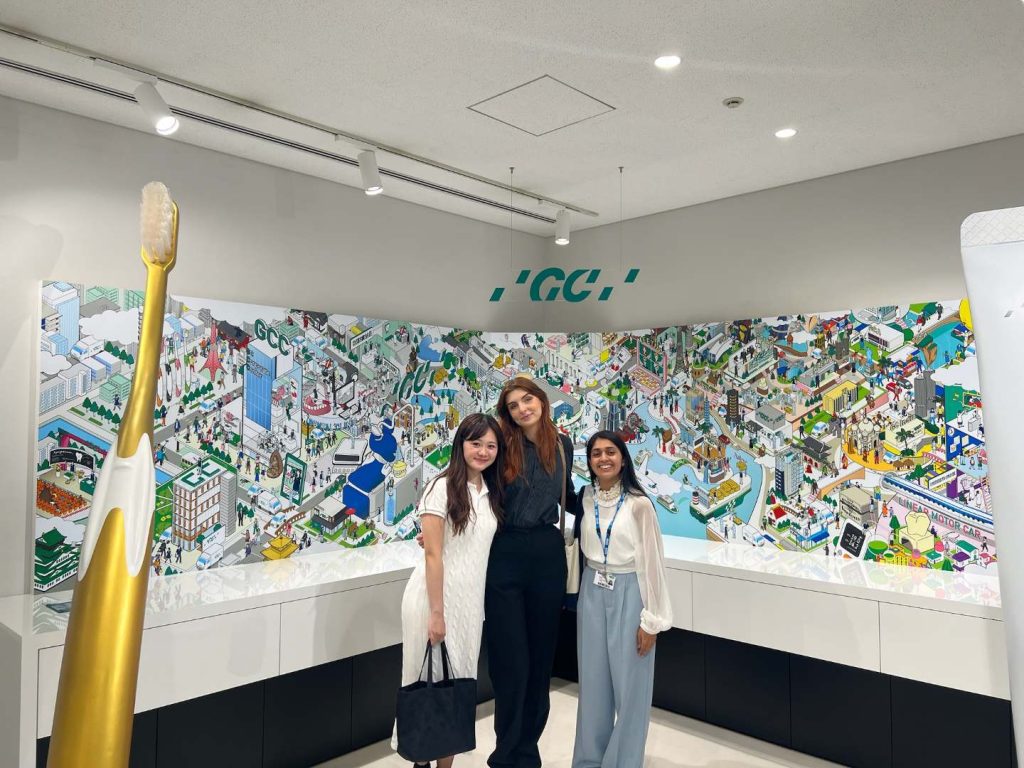
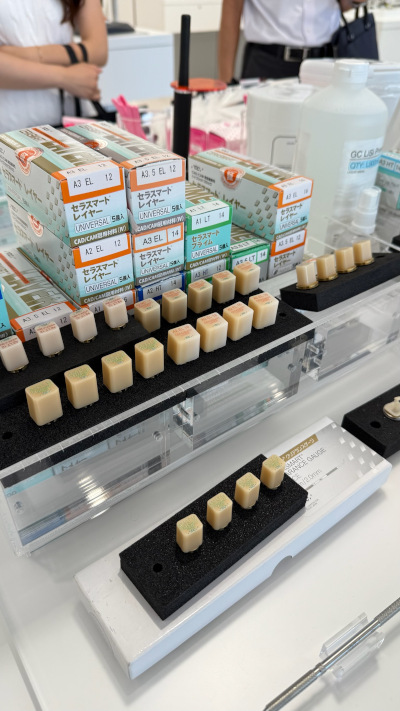
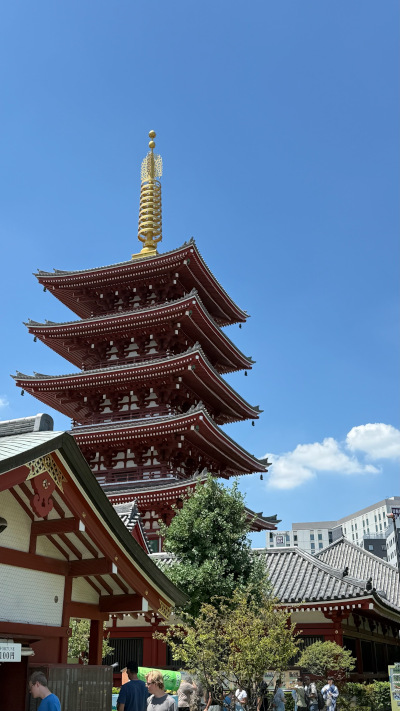
The next day, we spent the morning at the beautiful Asakusa shrine and Senso-ji temple, wandering through the busy markets which lined the streets. We got some matcha ice cream and udon noodles for lunch and paid our first, all important visit to Don Quijote. The afternoon consisted of a visit to the GC headquarters in Tokyo with some of the NDU tutors; it was amazing to see just how much product innovation the company participates in and contributes to within dentistry, both in Japan and globally. We toured their facilities and learned about the company’s history and advancements before meeting the student committee for some delicious katsu for dinner.
On Wednesday, we visited the NDU dental hospital, touring the departments and discovering how the hospital and the university work together to educate their students and deliver treatment to their patients. The hospital departments included oral surgery, paediatrics and maxillofacial surgery amongst others and had its own operating theatres for surgery under general anaesthetic.
A lot of the hospital’s work also includes oral rehabilitation following brain injury to help patients to eat, speak and swallow effectively- this makes up an essential part of their services, and with the ageing population in Japan the care need in this area is certainly high. We spent the evening wandering through Shibuya before dinner with the student committee, which was at an exquisite Korean BBQ spot.
The next day we visited the Tama oral rehabilitation clinic which was focused on treating elderly and disabled patients with dysphagia. The day began with a team meeting and debrief, which included trying a new device which aimed to strengthen the muscles in the neck and throat involved in swallowing via repeated electrical stimulation.
This was different to anything we had seen in the UK as dysphagia care isn’t really a part of dentistry here. Nevertheless, it was fascinating to learn about the investigation and rehabilitation methods used to treat patients and how these fit into a holistic care approach. The Tama clinic works closely with local care homes to provide care to residents with dysphagia – the multidisciplinary teams involved in the patient care are made up of nurses, carers, nutrition experts and dentists and treatment is a combination of monitoring, diet adaptations and swallowing rehabilitation programmes with the aim of promoting as much independence as possible.
The team periodically reviews patient needs and adapts care plans to ensure patients get the support they need. This was interesting to learn about as it’s something we’ve never really considered in the context of dentistry before but certainly important to recognise as a potentially unmet need in certain patient groups.
The next day, Oksana enjoyed the morning with some retail therapy and sightseeing in Harajuku, while I took an early train to visit the Tokuyama Research and Development Centre in Tsubka, driven by my interest in dental materials. I was given a tour of the amazing facility and attended a presentation explaining the science and innovation behind their products. It was fascinating to learn how the company evolved from its beginnings as a chemical enterprise into a key contributor to modern dentistry. After a quick lunch, enjoying my favourite Japanese dish, katsu curry, I travelled back to meet Oksana and together we boarded our very first Shinkansen bullet train to Niigata to begin the second part of the exchange programme.
The journey itself was remarkable as the scenery gradually shifted from the urban landscape of Tokyo to lush green mountains and fields rushing past the windows at incredible speeds. Upon arrival in Niigata, we received a warm welcome from Prof. Kageyama and the NDU students, followed by dinner at the waterfront restaurant overlooking the Shinano River at our hotel. It was a wonderful evening spent sharing experiences, learning more about Japanese dentistry and hearing about the exciting schedule planned for the week ahead.
The following morning, we enjoyed a peaceful walk along the riverbank while exploring Niigata city. Known for producing some of the best sushi rice in Japan, the city certainly lived up to its reputation. The calm and relaxed pace of life here was a refreshing contrast to busy Tokyo.
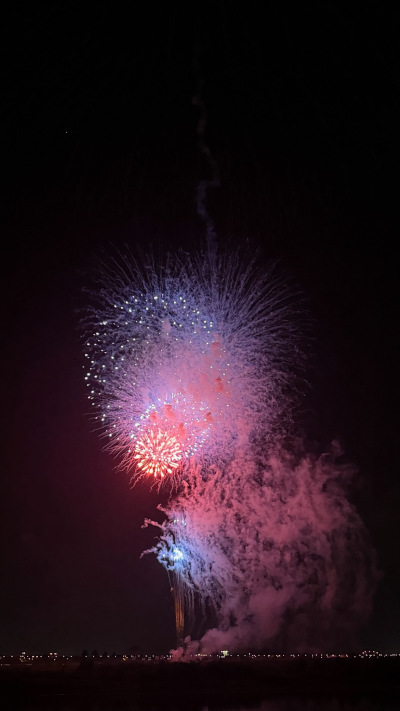
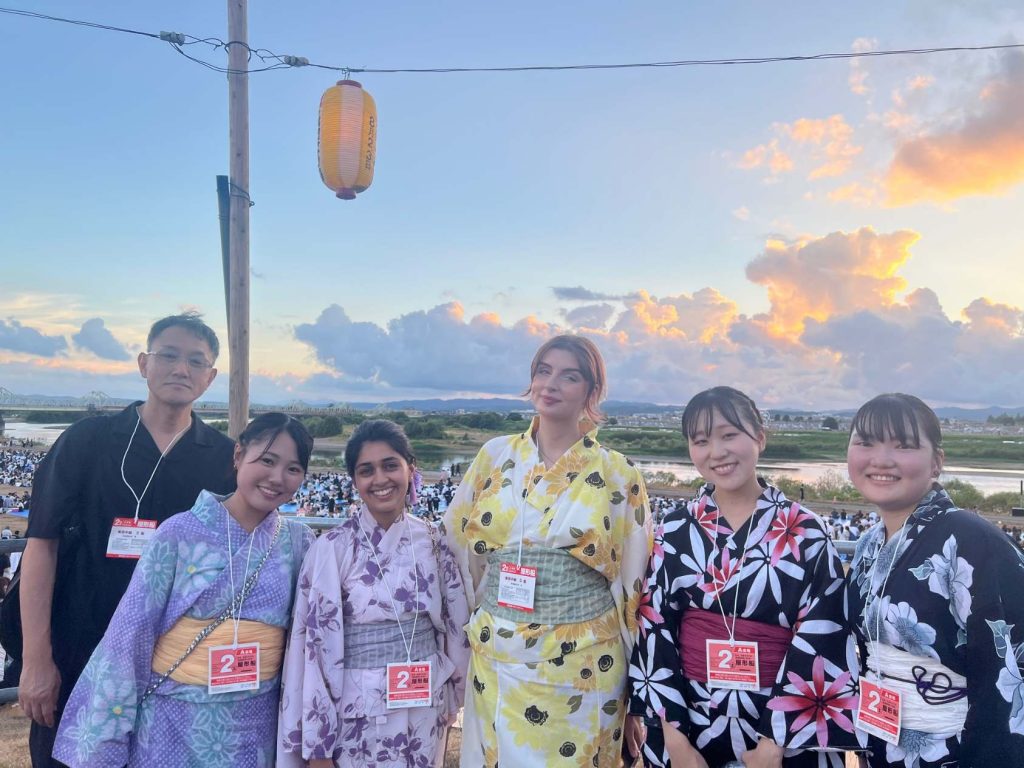
Later that day, we travelled to attend the famous Nagaoka Fireworks Festival, which we were fortunate to experience during our visit. Wearing traditional kimonos alongside our new friends and colleagues made the evening even more special. Prof Nino and NDU had kindly secured seats for us along the Shinano River, giving us an incredible view of the spectacular display. Beyond the beauty of the fireworks, it was moving to learn that the event commemorates those who lost their lives during World War II, making it both a cultural and reflective experience we will never forget.
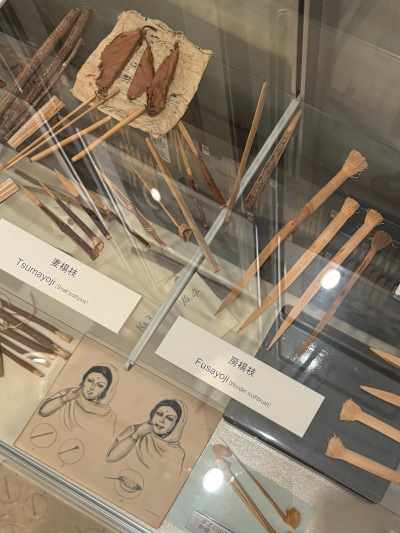
The following morning, our dental programme in Niigata began with a tour of the school and hospital. Walking just past the campus grounds we were greeted by views of the beautiful seafront and beach, feeling a gentle breeze as we walked closer. We then enjoyed lunch with Ikumi and her friends in their cafeteria before visiting the onsite Museum of Dental Medicine. Walking through the exhibits felt like stepping back in time, with dental instruments and materials dating back to the fifteenth century on display. It was fascinating to see how dentistry evolved through the centuries and to learn about practices that differed from the western world, including Ohaguro (teeth blackening) once considered a symbol of beauty, maturity and used by women to maintain a reserved and refined demeanour as part of masking traditions.
We then visited the paediatric dentistry department and discovered how practice in Japan differs from that of the UK. One notable feature was a role-play acclimatisation room where children had access to miniature dental equipment such as 3 in 1 syringe and aspirator allowing them to become familiar with the dental environment before treatment, helping to reduce anxiety. We also learned about Japanese approaches to sleep apnoea management and orthodontic care, broadening our understanding of different treatment philosophies.
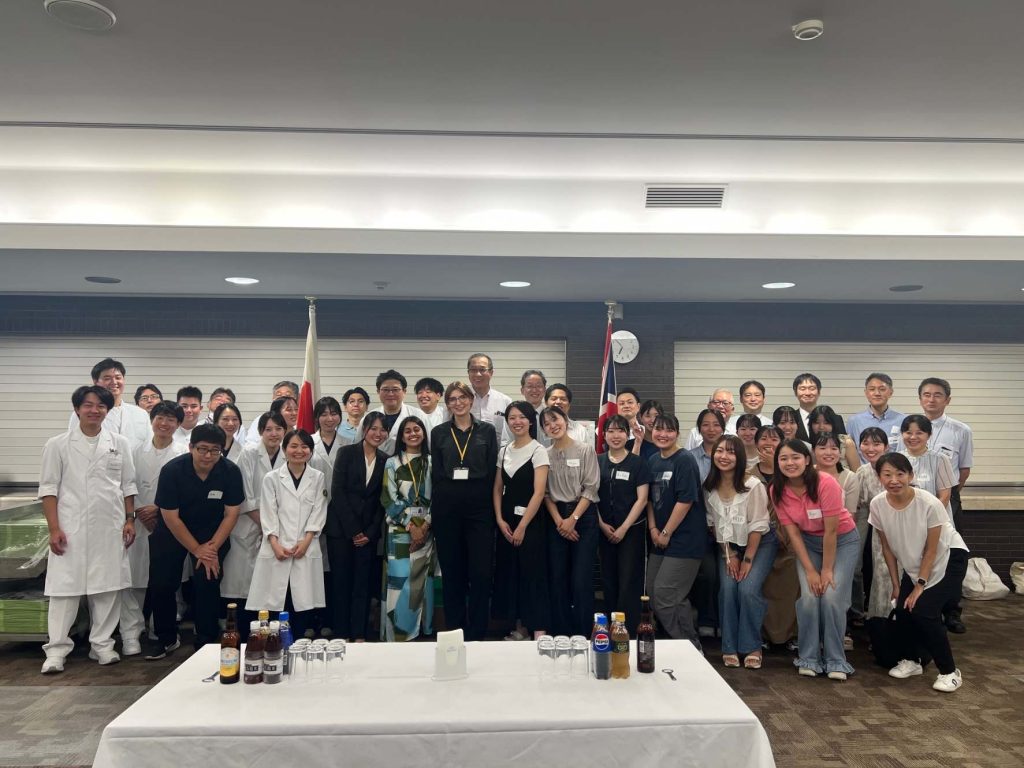
The generosity of our Japanese exchange counterparts continued when, what we believed would be a small welcome dinner, turned out to be a large welcome party attended by nearly fifty NDU tutors and students, all so incredibly warm and friendly. We delivered our presentation about dentistry in the UK, which sparked engaging discussions. The evening concluded with a buffet of specially prepared dishes, enriching conversations and even a fun card game with the student committee.
The following day provided invaluable clinical exposure. We observed the removal of a maxillary plate following orthognathic surgery in the operating theatre viewing area, which was an amazing experience as we were able to observe the procedure ly from behind the glass. Next, we visited oral surgery where we shadowed a review appointment for a patient following surgery on the lateral border of the tongue and witnessed acupuncture treatment for Bell’s palsy, a therapy more commonly integrated into Japanese practice compared to the UK.
Another insightful visit was to the domiciliary dental care department, which provides treatment for patients unable to attend hospital due to neuromuscular disease, disability, or older age. Portable dental and X-ray equipment allows care to be delivered directly in patients’ homes, and senior dental students participate in these visits as part of their training. This highlighted how NDU adapts their dental services to meet the needs of its ageing population.
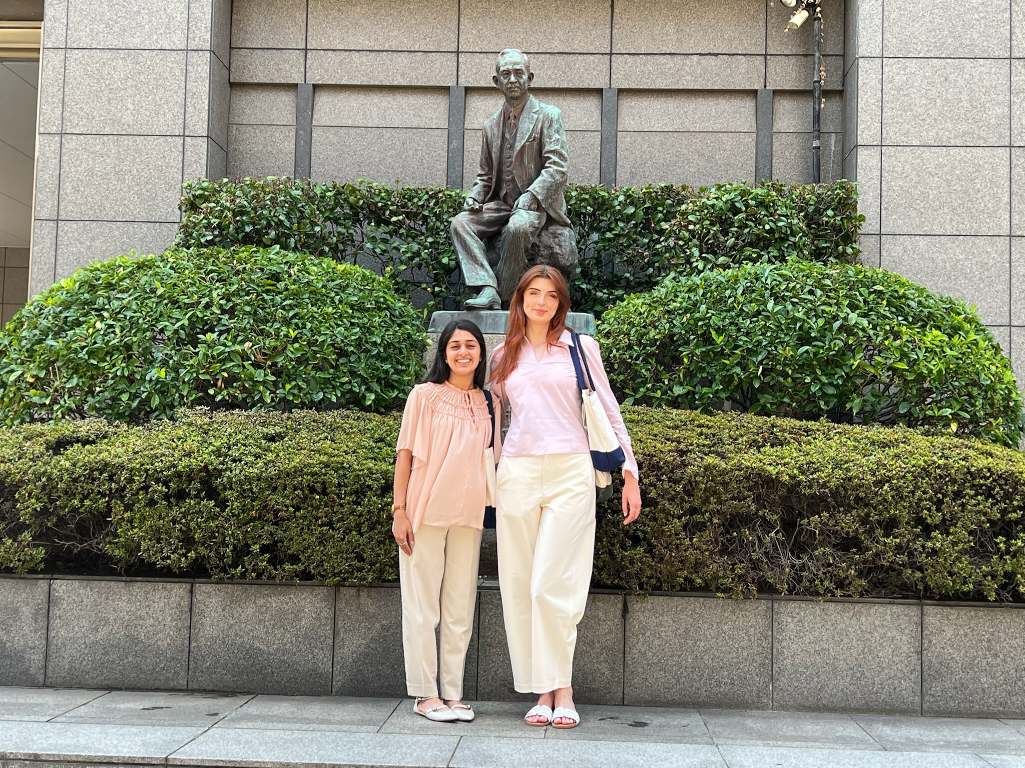
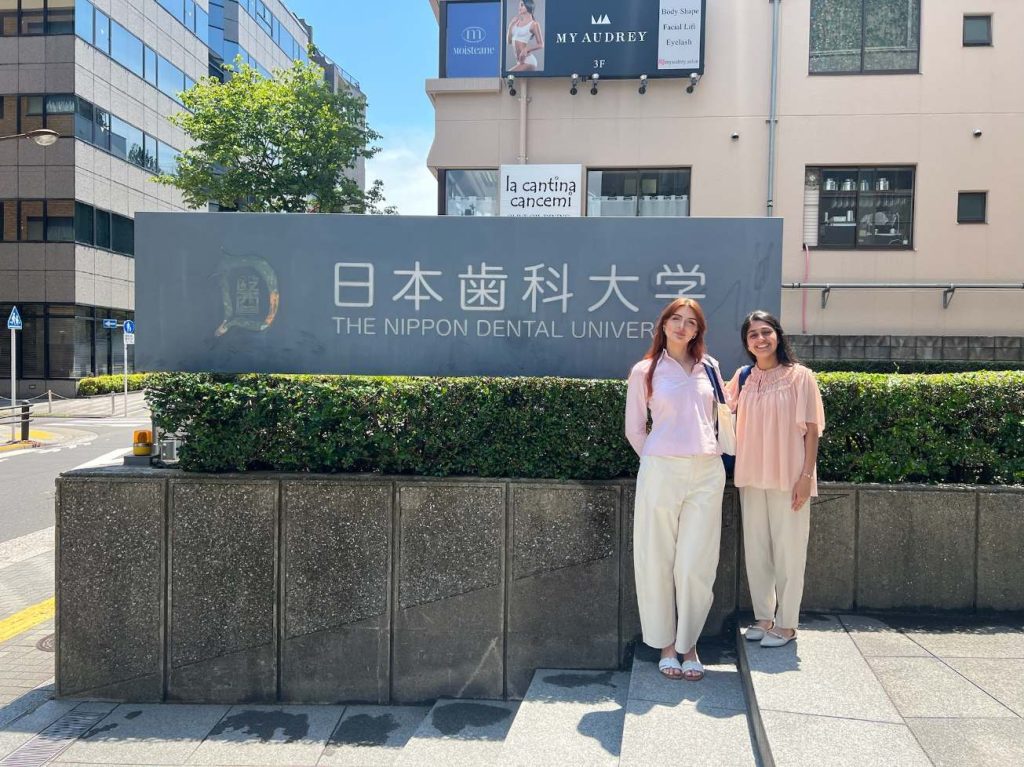
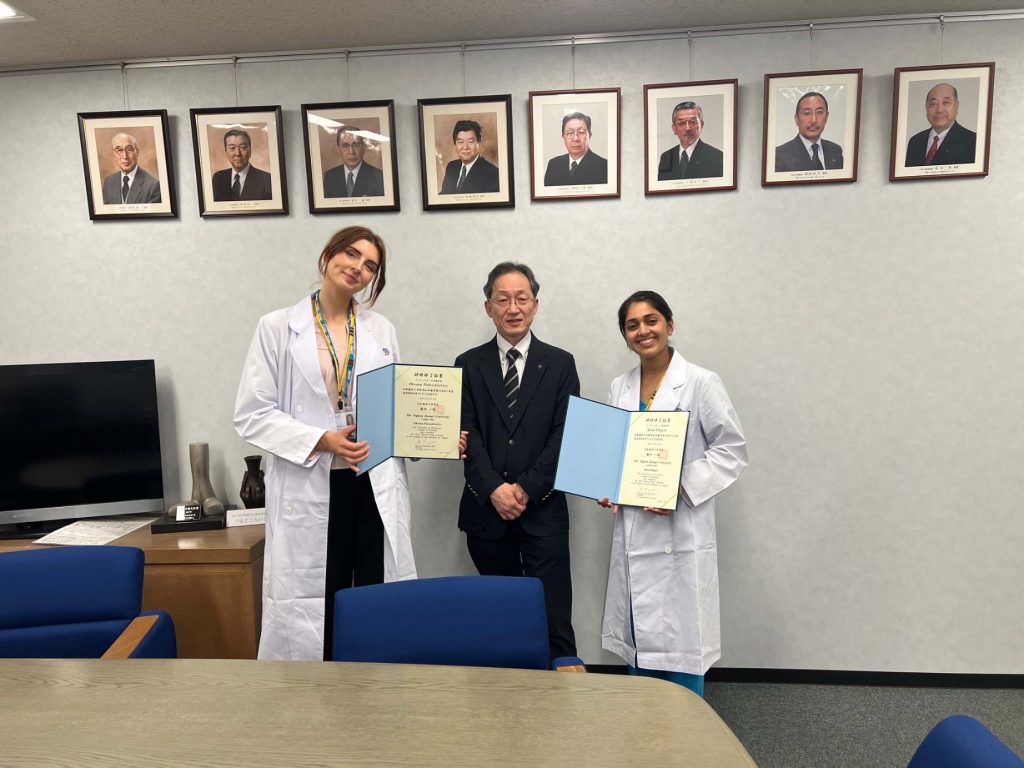
We also toured the undergraduate clinic, where dental instrument decontamination was done on site and was the role of the dental hygienist, which once again differed from practice in the UK. The hospital’s extensive radiology facilities were also impressive, including CBCT, CT, MRI, ultrasound and SPECT imaging. I even had the opportunity to try using the ultrasound equipment on Oksana, guided by one of the tutors. Seeing advanced imaging being used in diagnosing conditions like medication-related osteonecrosis of the jaw helped to bridge our theoretical learning with real clinical practice. The day concluded with meeting the hospital director, who presented us with our certificates of participation, followed by a traditional Japanese dinner with the student council, providing a perfect end to an enriching clinical experience.
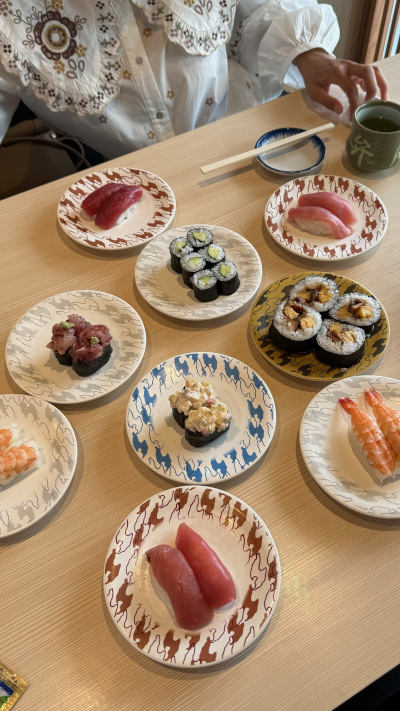
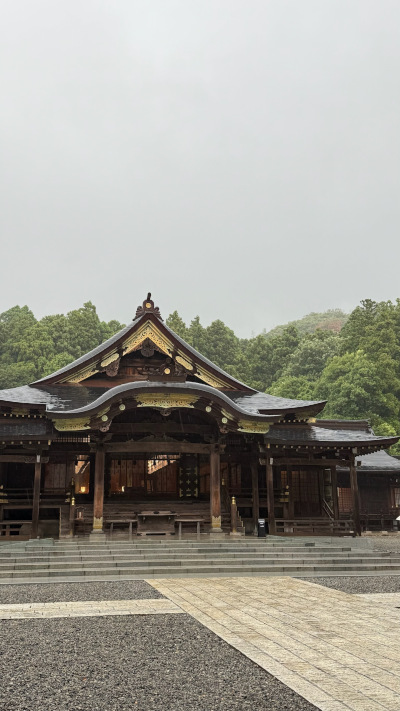
A sightseeing day followed, including a visit to the lively Teradomari Street Fish Market, where local vendors sold fresh seafood caught that morning, reflecting Niigata’s coastal culture. Despite experiencing our first heavy rainfall in Japan, we continued to Yahiko Shrine, nestled within a beautiful forest. The walk in the rain added to the atmosphere and we later enjoyed brunch at a cosy woodland café before relaxing in the onsen and experiencing the bedrock bath for the first time. We later returned for a delicious 3 course dinner with the NDU tutors who shared insightful reflections on their career journey beyond graduation.
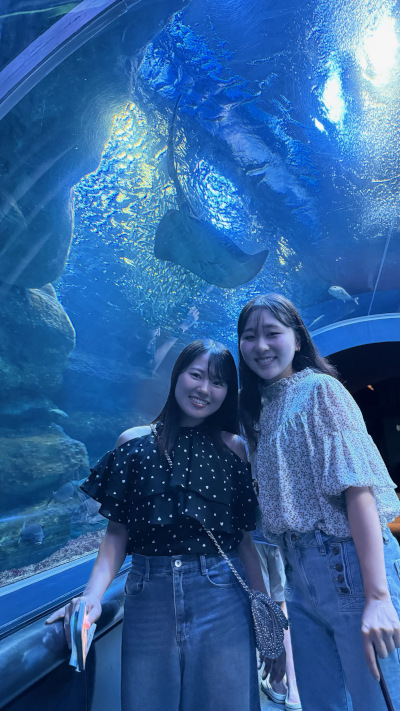
On our final day in Niigata, we explored more local attractions, including the aquarium and of course made essential stops at Seven Eleven and Family Mart. We concluded the exchange with a farewell dinner at the hotel, which also doubled as a birthday celebration for Ikumi’s 24th birthday, before preparing for an early start and the final leg and most challenging part of the trip, Mount Fuji.
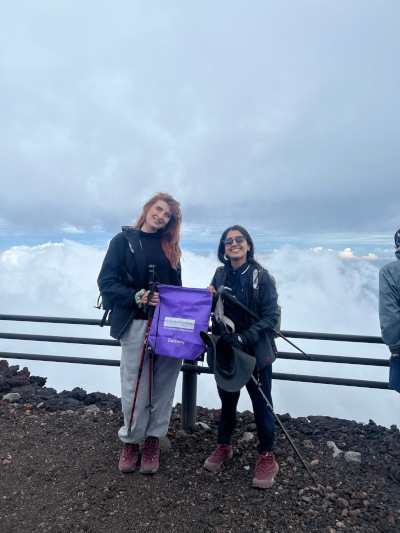
Logistically this took us so long to plan and seemed almost impossible, but it was well worth it; we are so happy that our efforts paid off and we were able to complete the hike! We travelled from Niigata back to Tokyo by bullet train and finally got to our hut at Mt Fuji’s 5th station after another 2 trains, an hour bus and a 30-minute hike. We were only part of the way up the mountain at this point but already the views were just dazzling. We went to bed in preparation for the long day ahead tomorrow, waking up to a spectacular sunrise the next morning. We started hiking the Yoshida trail at about 5am on the Saturday and pretty quickly made it to our first 2 checkpoints, 7th and 8th station. The trail was fairly rocky at the bottom with a bit of scrambling here and there which was challenging but also great fun. The tiredness really set in towards the top, but we finally made it to the peak after a beautiful climb. We had a break and got our final stamps and Goshuin blessings from the Kasushi shrine which sat right on the edge of the crater. It was a bit cloudy at the top, but the views were still stunning especially as we started walking down.
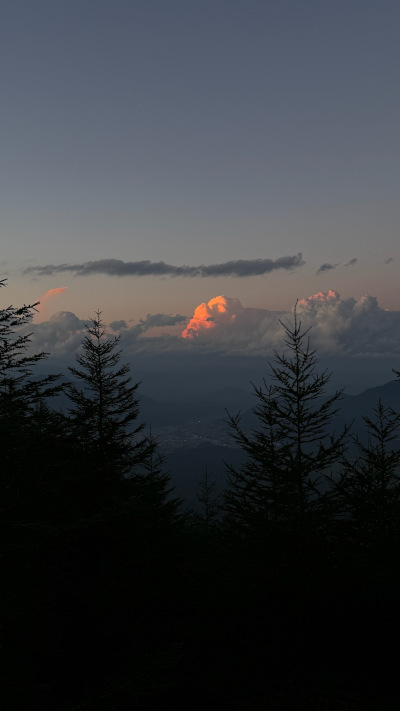
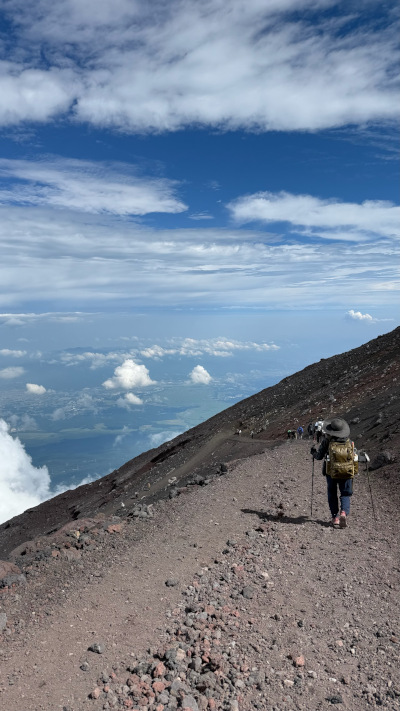
I brought some oxygen on the way up which didn’t end up being so useful for Sana or myself but I’m glad I had it anyway as it meant I was able to give it away to someone who was really struggling on the way down – a reminder of how a seemingly relaxed situation can take a dangerous turn. The way down seemed to take forever but we couldn’t complain because the views were just breathtaking. We made it back just in time for the final mountain bus feeling completely exhausted as well as fulfilled and accomplished.
The final day was spent at the spa – we took some much-needed time to relax before finally going our separate ways. Arisa and Ikumi and I said our goodbyes to Sana at the airport and I continued onto some solo travels across Japan which included some more time in Tokyo as well as Osaka, Kyoto, Nara Park and Hiroshima. I visited some fantastic museums, art galleries, temples, shrines, castles and gardens and spent my time indulging in some divine baked goods and seafood, appreciating the art and fashion scene, architecture, car culture and a bit of baseball here and there too.
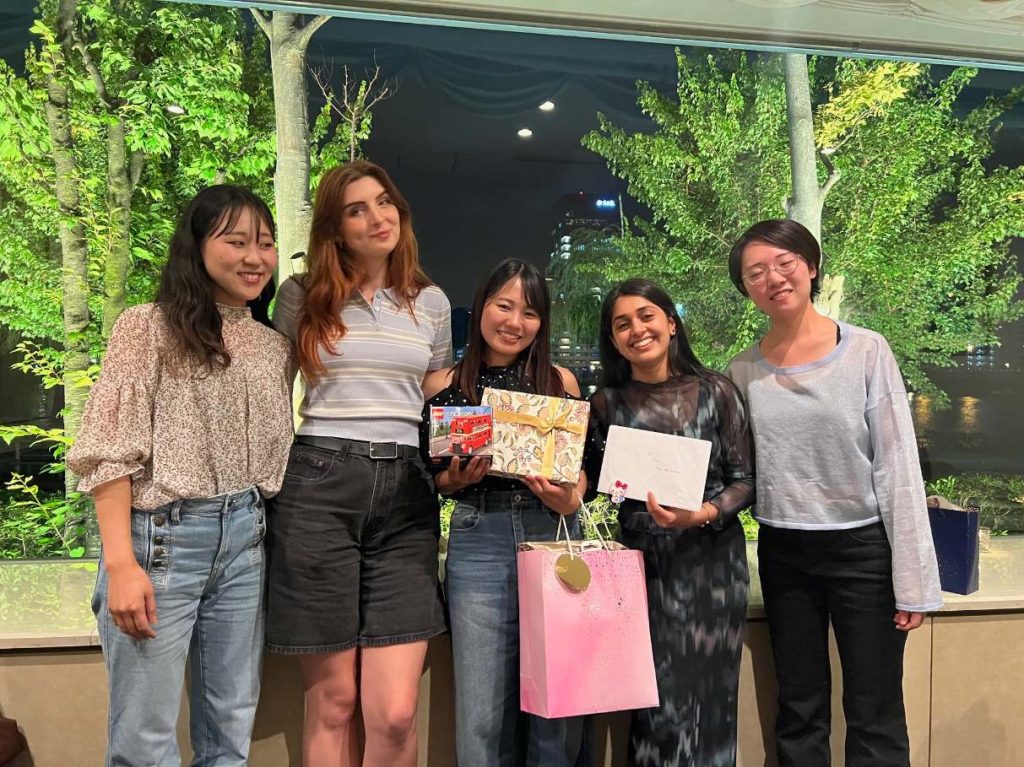
We are very grateful to SOMANDA for funding the exchange programme and everyone at The Nippon Dental University Tokyo and Niigata and the University of Manchester who were involved in the planning and organisation.
It was truly a fantastic opportunity and we both gained so much from the trip including making some lifelong friends along the way. The hospitality in both Tokyo and Niigata was second to none and we’re so grateful to everyone who was involved in making us feel so welcome and looked after!